Lunch and Dinner Concepts
Published: February 2026 | Educational Content
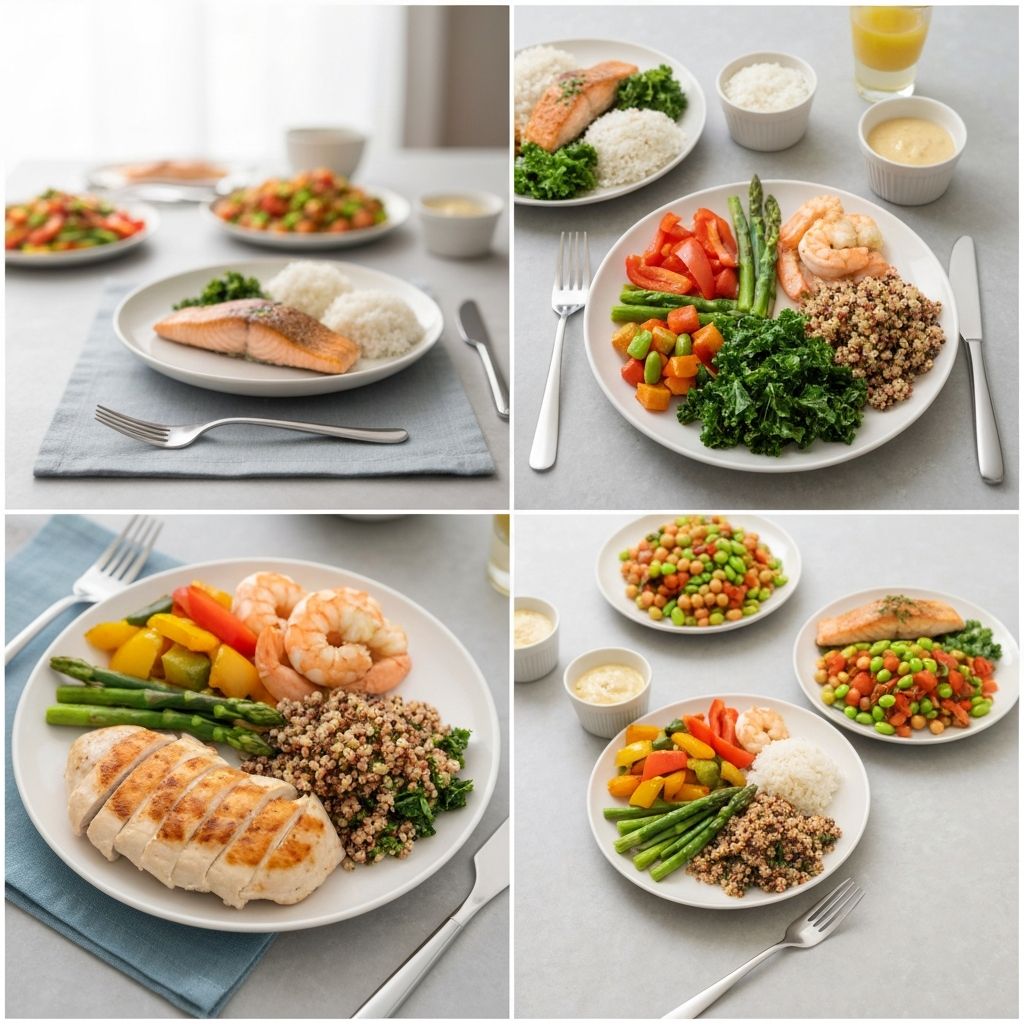
Understanding Main Meals
Lunch and dinner typically represent the main eating occasions for many families. These meals often include multiple food groups and can vary significantly in composition, timing, and portion sizes based on cultural backgrounds, personal preferences, and daily schedules.
This article explores general concepts related to organizing lunch and dinner meals. The information is presented for educational purposes and describes various approaches without providing personalized recommendations.
Vegetable Incorporation
Vegetables form a significant component of many lunch and dinner meals. Different families incorporate vegetables in various ways, using diverse preparation methods and combinations.
Raw Vegetables
Salads represent a common way to include raw vegetables in meals. These can serve as side dishes or main courses, depending on composition and portion size.
Raw vegetable components might include leafy greens such as lettuce, spinach, or mixed salad leaves, along with other vegetables like tomatoes, cucumbers, peppers, and carrots.
Some families serve raw vegetable sticks or crudités as appetizers or side dishes, sometimes accompanied by dips or spreads.
Cooked Vegetables
Cooking methods for vegetables vary widely and include steaming, roasting, sautéing, grilling, and boiling. Different methods produce different textures and flavor profiles.
Roasted vegetables might include root vegetables like carrots, parsnips, and potatoes, as well as other vegetables such as broccoli, cauliflower, or bell peppers.
Steamed vegetables retain more of their original texture and are often served as simple side dishes. Common choices include broccoli, green beans, carrots, and cauliflower.
Stir-fried vegetables combine multiple vegetables cooked quickly at high temperature, often with seasonings and sometimes sauces. This method is common in many Asian cuisines.
Protein Sources for Main Meals
Lunch and dinner meals commonly include protein-containing foods. The specific sources vary based on dietary preferences, cultural backgrounds, and individual choices.
Plant-Based Proteins
Legumes, including beans, lentils, and chickpeas, serve as protein sources in many cuisines. These can be prepared in various ways, from soups and stews to salads and side dishes.
Tofu and tempeh, made from soybeans, represent versatile protein sources that can be prepared using numerous cooking methods and seasonings.
Nuts and seeds, while often used in smaller quantities, contribute protein along with other nutritional components. They might be added to salads, grain dishes, or vegetable preparations.
Animal-Based Proteins
Fish and seafood represent protein sources for families who include them in their diets. Preparation methods include grilling, baking, poaching, and pan-frying.
Poultry, such as chicken or turkey, can be prepared in numerous ways, from simple roasting to more complex preparations involving sauces or marinades.
Various types of meat, including beef, pork, and lamb, are consumed in different quantities and preparations depending on cultural traditions and personal preferences.
Eggs, while often associated with breakfast, also appear in lunch and dinner meals, either as main components or as ingredients in other dishes.
Whole Grains and Starches
Grain products and starchy foods often accompany the vegetable and protein components of lunch and dinner meals.
Rice Varieties
Different types of rice, including white, brown, wild, and various specialty rices, serve as staple foods in many cuisines. Cooking methods and serving styles vary by cultural tradition.
Other Grains
Quinoa, a seed often used like a grain, has become more common in recent years. It can be served plain or mixed with vegetables and other ingredients.
Barley, bulgur, and other whole grains appear in various dishes, from soups and stews to salads and side dishes.
Pasta and Noodles
Pasta made from various grains, including wheat and alternatives like rice or lentils, serves as a base for many meals. Whole grain pasta options are also available.
Different cultures feature various types of noodles in their cuisines, prepared and served in diverse ways.
Potatoes and Root Vegetables
Potatoes can be prepared in numerous ways, including baking, boiling, roasting, and mashing. Sweet potatoes offer a different flavor profile and nutritional composition.
Other root vegetables like turnips, rutabagas, and parsnips can serve similar functions in meals.
Meal Composition Examples
These examples illustrate how different food groups might be combined in lunch or dinner meals. They are descriptive examples for educational purposes only.
Example One
Grilled fish served with steamed broccoli and brown rice. This combination includes a protein source, vegetables, and whole grains.
Example Two
Mixed salad with leafy greens, various raw vegetables, chickpeas, and a grain like quinoa. This vegetarian option combines multiple food groups in a single dish.
Example Three
Stir-fried vegetables with tofu served over rice noodles. This demonstrates a different preparation method while including vegetables, protein, and grain products.
Example Four
Roasted chicken with roasted root vegetables and a side salad. This combination uses different cooking methods and includes multiple vegetable types.
Example Five
Lentil soup with whole grain bread and a side of raw vegetables. This demonstrates a one-pot meal supplemented with additional components.
Meal Timing and Structure
Lunch timing varies among families. Some eat a midday lunch around noon or early afternoon, while others adjust timing based on work or school schedules.
Dinner timing also varies significantly. Some families eat earlier in the evening, while others dine later. Cultural traditions, work schedules, and family routines all influence these patterns.
The concept of which meal should be larger or more substantial varies. Some traditions emphasize a larger lunch, while others focus on dinner as the main meal of the day.
Preparation and Cooking
Meal preparation complexity ranges from simple assembly of ingredients to elaborate multi-component cooking processes. Time availability, cooking skills, and personal preferences influence these choices.
Some families prepare meals from scratch using fresh ingredients, while others incorporate convenience items to save time. Many use a combination of both approaches.
Batch cooking, where larger quantities are prepared and used over several days, represents one strategy some families employ to manage meal preparation time.
Slow cookers, pressure cookers, and other cooking tools can influence preparation methods and timing. Different equipment offers different advantages in terms of time management and cooking results.
Cultural and Regional Variations
Approaches to lunch and dinner meals vary significantly across cultures and regions. What is considered typical in one context may be uncommon in another.
Ingredient availability, cultural traditions, religious practices, and regional cuisines all contribute to the diversity of meal patterns observed globally.
Understanding this diversity helps contextualize the information presented here as describing general concepts rather than prescriptive recommendations.
Educational Context and Limitations
This article presents educational information about lunch and dinner meal concepts, ingredient combinations, and various approaches to meal organization. It does not provide personalized dietary advice or recommendations.
Individual nutritional needs vary based on numerous factors including age, health status, activity level, and specific circumstances. The general information presented here cannot account for these individual variations.
Readers seeking guidance for their specific nutritional needs should consult qualified healthcare professionals or registered dietitians who can provide personalized advice based on individual circumstances.
This content describes various approaches to main meals for informational purposes only. It does not suggest that any particular approach is superior or will produce specific outcomes.